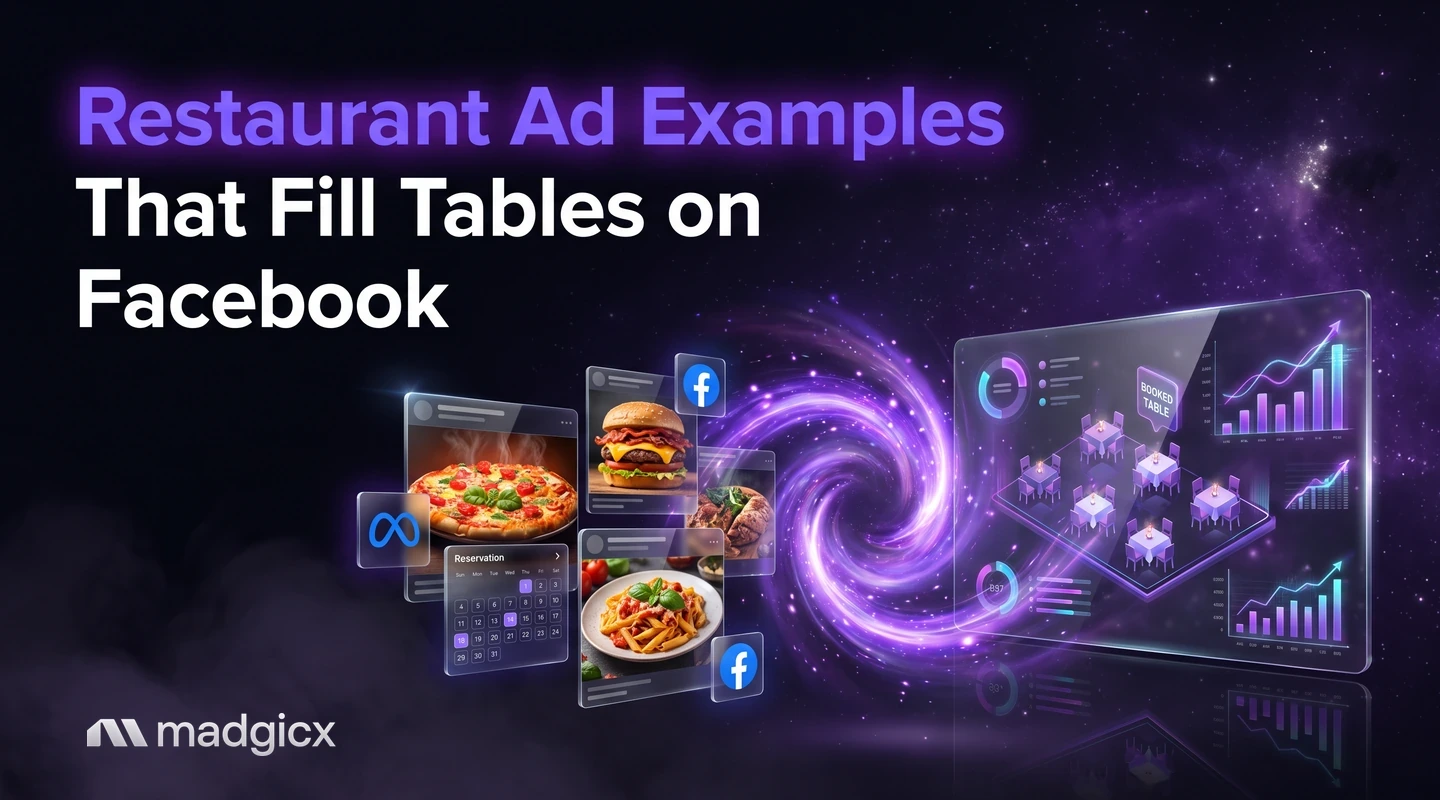
Eight real restaurant ads running on Facebook and Instagram in November 2026, with why each works, what to copy, and how to set a max cost per new guest.
The restaurant ads that work on Facebook show one dish or one deal, put the price or the reason to come now in the first line, and give one clear next step: order, book or visit. Below are 8 real restaurant ads that were running on Facebook and Instagram in November 2026, from Subway and McDonald's to a two-shop pizzeria in Melbourne, with what each one does well and what you can copy.
Restaurants also buy attention cheaply on Meta. In Madgicx's Meta ads benchmarks for September 2026, the median CPM for Restaurant & Food Services was $2.26, against $9.72 across all industries. Cheap reach only pays when the ad gives people a reason to act, which is what the examples below have in common.
Browse other brands' ads and turn the best into your own with AI.
What makes a restaurant ad work
Across the 8 ads, four parts show up again and again:
- One craveable visual. A close-up of the food, or a person people can relate to: a chef, a crew member, the owner.
- A reason to act now. A price ($6.99, $7, $10), a limited time, a returning favorite or a day of the week.
- Where to get it. In the restaurant, in the app, or at a named location.
- One button that matches the action. Seven of the 8 use Order now or Learn more. Meta's call-to-action button guide notes that the buttons you can choose differ for each campaign objective, so pick the objective first.
Six of the 8 are vertical videos, and most put words on screen in the first second. People decide whether to stop scrolling before the sound or the story starts, so the opening frame has to carry the message on its own.
| Ad | Goal | Format | Hook | Button |
|---|---|---|---|---|
| Jonah's Bistro, Chennai | Dine-in visits | Video | The chef and the dish by name | None shown |
| Burger King | App orders | Image | $7 for any three items | Order now |
| Subway | Deal orders | Video | $6.99 meal with a promo code | Order now |
| McDonald's | Breakfast orders | Video | Add a second item for $1 | Order now |
| Magic Brothers Pizzeria, Melbourne | A weekly special | Video | Parma Thursday is back | Order now |
| IKEA Swedish Restaurant, Memphis | Visits to a revamped space | Video | We saved you a seat | Learn more |
| Chipotle | A returning item | Video | Honey chicken is back, open till 11pm | Order now |
| sweetgreen | A seasonal bowl | Image | A $10 limited-time bowl | Order now |
Dine-in examples: the dish and the chef
Jonah's Bistro, Chennai: put the chef and the dish on camera
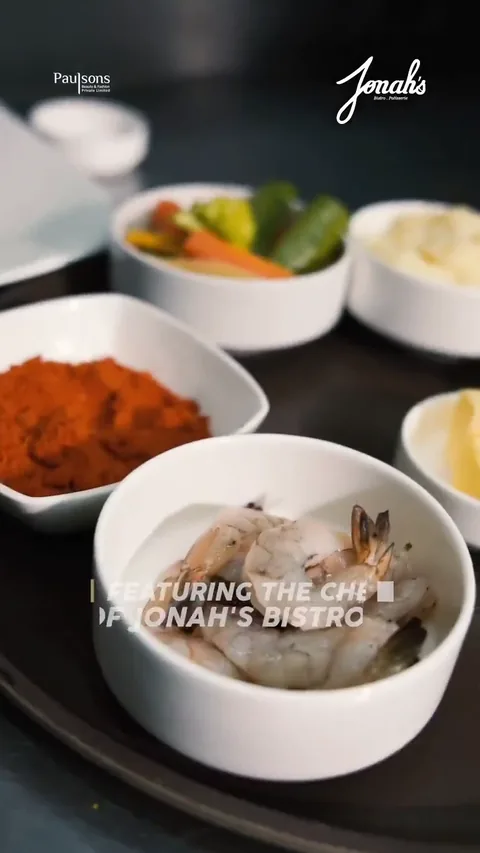
The first line reads: "Prepare to be captivated as Chef Jegan creates magic with Grilled Mexican Prawn and Lemon Butter Sauce!" The video opens on a spread of plates with "Featuring the chefs of Jonah's Bistro" on screen, and the text lists opening hours and locations.
Why it works: a named chef and a named dish turn a generic food shot into a reason to visit. The hours and locations answer the next question before anyone has to ask it.
What to copy: one dish per ad, the chef's name in the first line, and your hours and address in the text. Add a button (this one had none) so people who are ready can get directions or book.
Delivery and takeout examples
Burger King: make the deal the headline
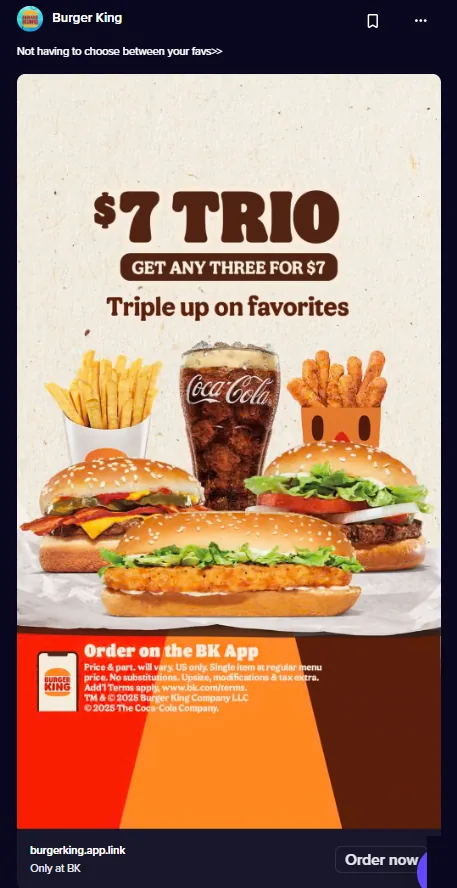
"Not having to choose between your favs" sits above an image that says "$7 Trio, get any three for $7, triple up on favorites", with the food on show and "Order on the BK App" across the bottom. The button is Order now.
Why it works: the price is the biggest thing in the ad, the three items show what $7 buys, and the app is named as the place to order. Nobody has to click to find out the deal.
What to copy: if most of your takeout runs through one app or ordering site, name it in the creative and send the button straight there. Keep the legal lines small and at the bottom, as Burger King does.
Offer and daypart ads
Offers are where restaurant ads earn their keep: a clear price, a short window or a fixed day gives people a reason to act today rather than someday.
Subway: price and promo code in the first line
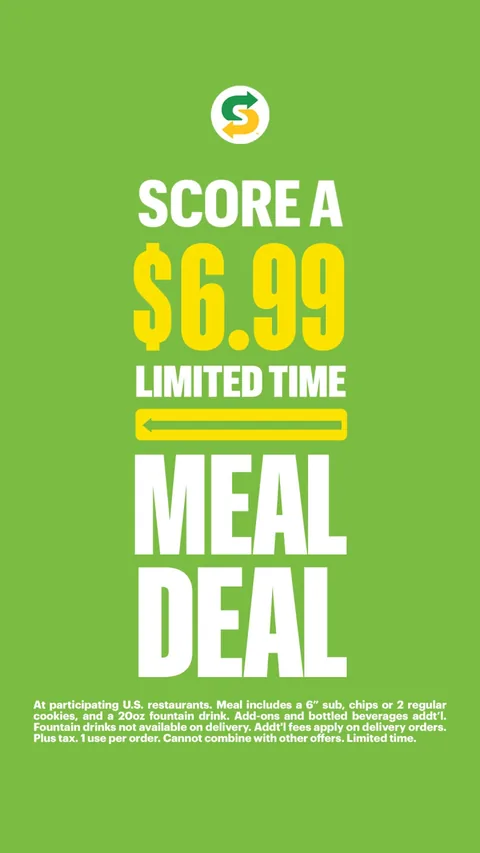
The text reads: "All that for $6.99? Winning. Get your dream meal in-restaurant or in-app with code 699MEAL. Valid through 12/26." The video opens on "Score a $6.99 limited time meal deal" in big type.
Why it works: the price, the code and the end date all fit in the first line. The code also does a second job: every order that uses it is an order you can trace back to the ad.
What to copy: give each offer its own code, and say where it works (in the restaurant, in the app or both) and until when.
More Subway ads in the Meta Ad Library
McDonald's: a small add-on offer for one daypart
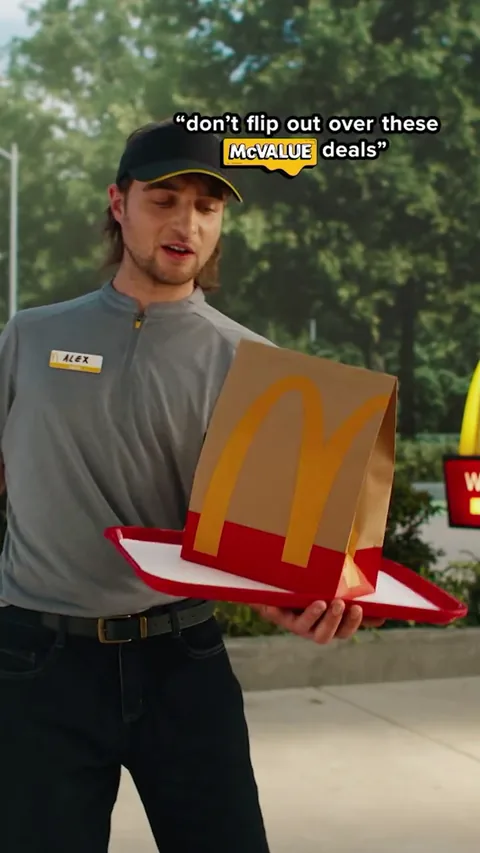
"Buy one, add one for a dollar on Sausage McMuffin with Egg and more at McDonald's." A crew member holds up a bag under the line "Don't flip out over these McValue deals", and the headline repeats the offer: "Buy one, add one $1 at McD's."
Why it works: it ties the deal to breakfast, a time of day with its own habits, and asks for a small step (one extra dollar) rather than a whole new order.
What to copy: pick your slowest daypart and build one offer for it.
Magic Brothers Pizzeria, Melbourne: a weekly ritual from the owner
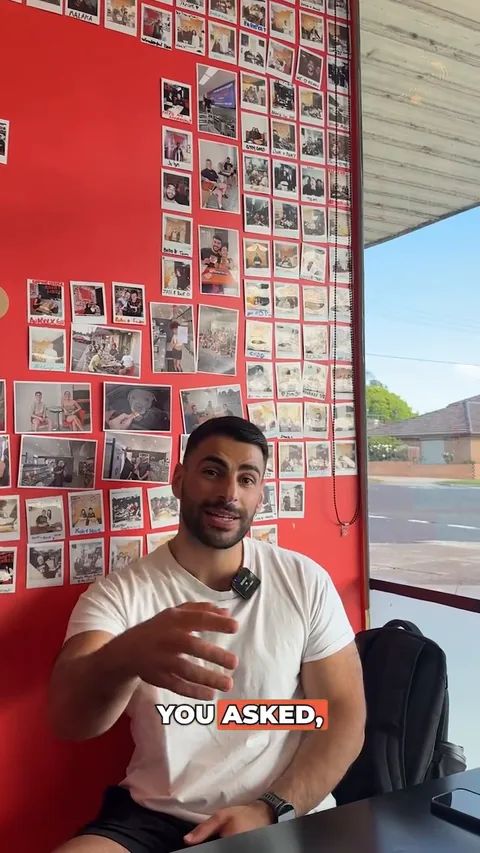
"Parma Thursday Are BACK ladies & gentlemen" opens the text, and the headline is "Loaded Chicken Parmas Every Thursday!" The owner talks straight to camera inside the shop, starting with "You asked." The ad lists five loaded parmas, served with chips every Thursday night until they sell out.
Why it works: a fixed day turns one offer into a habit, "you asked" tells people the special came back because of them, and "until sold out" adds urgency without a discount.
What to copy: if you're a single location, the owner on camera is your best asset. Name the day, show the food, and run the ad from the day before until the evening of.
New location and seasonal menu ads
IKEA Swedish Restaurant, Memphis: invite people into a new space
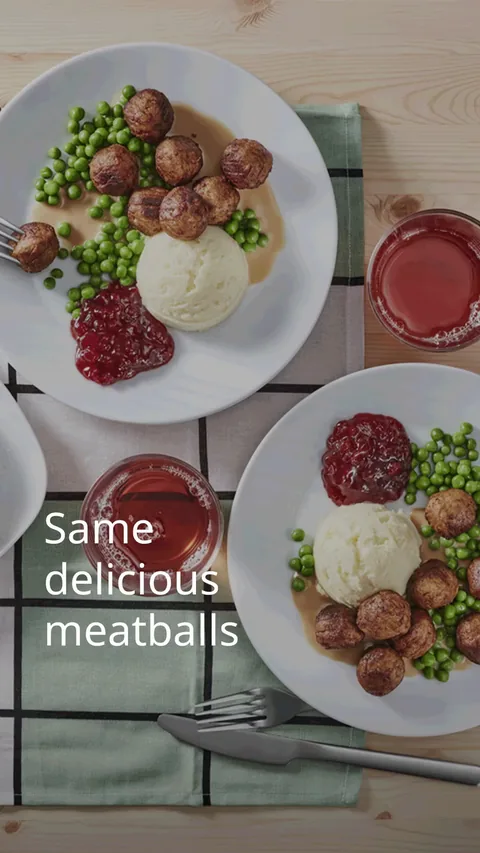
"Your go-to meal tastes better in a revamped space. We saved you a seat at our Swedish Restaurant in IKEA Memphis." The headline is "There's room at our table." The video moves from "New look" to "Same delicious meatballs".
Why it works: it reassures regulars that the food hasn't changed while giving them a reason to come back and see the room. Naming the city tells locals the ad is for them.
What to copy: for an opening or a remodel, lead with what's new, then promise what stays the same. Name the location in the first line.
IKEA's current ads in the Meta Ad Library
Chipotle: a returning favorite and late hours
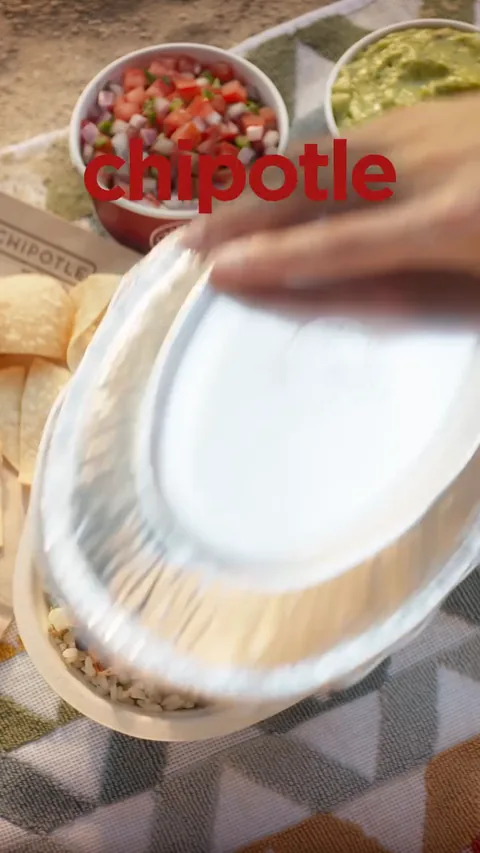
"chipotle honey chicken is BACK. see you at chipotle. now open till 11pm. for real." The video opens on a bowl being unwrapped, and the button is Order now.
Why it works: "is back" speaks to people who already loved the item, and "open till 11pm" adds a late-night reason to order. The lowercase, casual voice reads like a post from a friend.
What to copy: bring back a past favorite for a limited run and say so in three words. If you have extended hours, put them in the ad; it's information people need before they decide.
sweetgreen: a seasonal item with a price in the headline
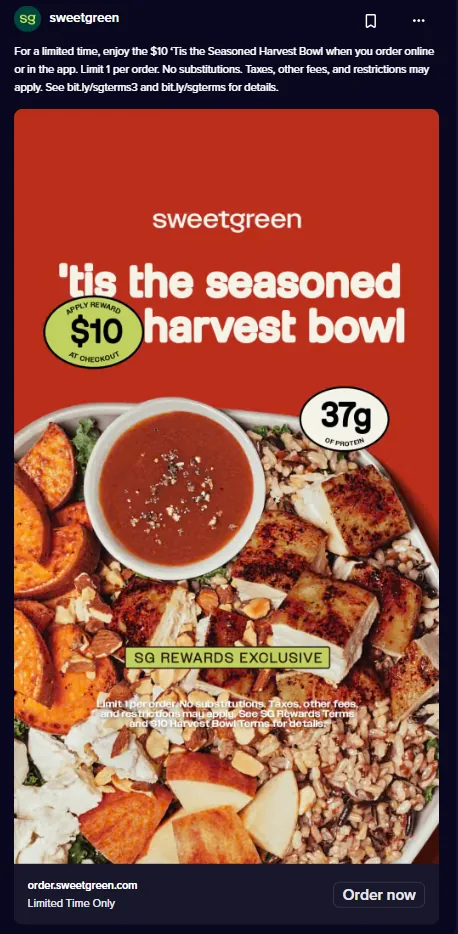
"For a limited time, enjoy the $10 'Tis the Seasoned Harvest Bowl when you order online or in the app." The headline says "Limited Time Only", the photo is a close-up of the bowl, and the fine print (one per order, no substitutions) sits in the text.
Why it works: a seasonal name, a round price and a close-up of the actual bowl. The limits are stated up front, so nobody feels misled at checkout.
What to copy: give a seasonal item a name people will remember, show it close up, and put the price next to the name.
Local targeting and a simple max CPA
Most restaurants only want people who can actually get to them. When you promote a business straight from its Facebook Page, Meta's guide to creating ads from your Page notes that location targeting is the only required targeting option, which makes a local ad quick to set up. Use the area your customers actually come from (or your delivery zone) rather than a whole city.
Before you spend, decide the most you can pay to win a new guest. A simple way to work it out:
- Average order value: what a typical guest spends per visit.
- Margin per visit: what's left after food, packaging and labor, as a share of the order.
- Visits per new guest: how many times a new guest comes back in their first 90 days.
Max cost per new guest = average order value x margin x visits. For example (illustrative numbers): a $35 average order with 30% left after costs gives $10.50 per visit. If a new guest visits twice in 90 days, you can pay up to $21 to win them and still break even. If your ads cost more than that per new guest, work on the offer or the creative before raising the budget. For online orders, the same logic gives you a target ROAS; the break-even ROAS calculator works it out from your margin.
Use the benchmarks as a sense check, not a target. For Restaurant & Food Services, the September 2026 median link CPC was $0.23, with the middle 50% between $0.09 and $0.42, and the median link CTR was 1.32% (middle 50%: 0.59% to 2.20%). A link CPC well above $0.42 usually points to the creative or the offer, not the budget.
What to measure beyond clicks
Clicks and likes are easy to count; covers and orders are what pay the bills. Match the measure to where the sale happens:
- Online orders on your own site or app: send purchase events to Meta with the pixel and the Conversions API, which connects website, app and offline events to Meta so it can optimize for real orders and report on them.
- Orders through a delivery app: give each ad its own promo code, as Subway does with 699MEAL, and count code redemptions.
- Reservations: add UTM tags to your booking link so your booking system and analytics show which ad sent each booking. The Facebook UTM builder makes the tagged links for you.
- Walk-ins: ask at the counter ("Did you see us on Instagram?"), or run the ad for a few weeks in one area and compare covers with an area where it doesn't run.
Find, test and refresh restaurant ads faster
Every example in this post came from the ad library inside Madgicx's AI Ad Hub, where you can browse other brands' ads. From there, the AI Ad Generator can turn an ad you like into a new image ad for your own restaurant, starting from a prompt, an image or any ad in the Meta Ad Library, ready to edit before you use it.
Once your ads are live, Creative Insights shows how each creative performs and flags creative fatigue, so you know when a dish shot or an offer has stopped working. AI Marketer also reviews your ad account and prepares daily recommendations that you complete or dismiss.
FAQ
What should a restaurant Facebook ad include?
One craveable dish or a person, the offer or the reason to come now in the first line, where to get it (in the restaurant, the app or a named location), and one button that matches that action.
How much do restaurant ads cost on Facebook?
In Madgicx's September 2026 benchmarks, Restaurant & Food Services had a median CPM of $2.26 and a median link CPC of $0.23, both well below the all-industry medians. Your own costs depend on your area, offer and creative.
Are video or image ads better for restaurants?
Test both. Six of the 8 ads in this post are short vertical videos with words on screen in the first second, and the two image ads (Burger King and sweetgreen) win by making the price the biggest thing in the ad.
How do I track walk-ins from Facebook ads?
Use an offer code per ad, ask guests how they heard about you, or run the ad in one area for a few weeks and compare covers with an area where it doesn't run.
What is a good offer for a restaurant ad?
A simple price (like a $7 trio or a $10 bowl), a small add-on (a second item for $1), a returning favorite, or a fixed weekly special. Keep it to one offer per ad.